2026-07-20

I am writing to express my deep concern about the dog training event hosted at Ravelrig Riding for the Disabled, Balerno, Scotland and organised by Be Pack Leader (BPL) based in Scotland, UK, featuring a guest trainer from the USA, an American Standard DIY K9 dog training.
The trainers were using aversive equipment on the dogs, including slip leads fitted with stoppers to prevent them from loosening (similar to the cord locks found on winter jackets), prong collars, and electronic collars capable of delivering electric shocks. The methods used on my dog placed her in severe physical distress and, at one point, she was unable to breathe. The trainers themselves referred to this technique as a "near-death experience."
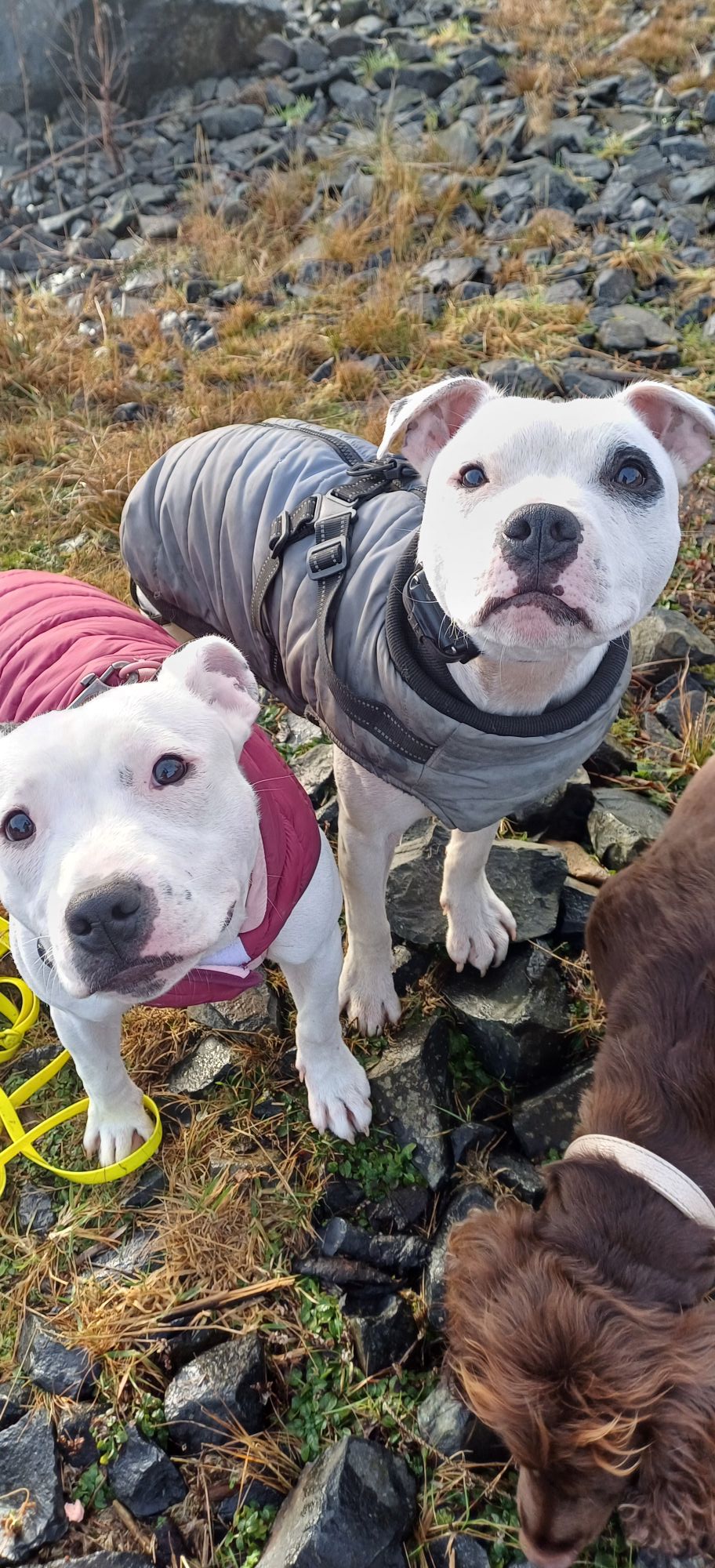
I attended the event with my two dogs, one of which is reactive, hoping to receive guidance and practical advice to help her when she is overwhelmed and doesn’t know how to handle her emotions. Before attending, I had no idea that the trainers used aversive methods involving slip leads and choking. I had never been involved in the dog‑training world, and I didn’t know that there were different ‘’types’’ of training I was supposed to research or be cautious about. In my mind, training simply meant positive reinforcement, such as kindness, patience, and teaching through encouragement. I had no idea that anything else existed, let alone that harsh and cruel methods were legal and openly offered to the public. The only reason I ended up at that event was that my friends insisted, repeatedly, that this was exactly what we needed for our dogs. We were busy; we didn’t think a two‑day seminar would change much, but they spoke so highly of these trainers that we trusted their judgement. I didn’t suspect for a moment that we were walking into something harmful.
From the very start, the people running the event projected a strong sense of dominance over the dog owners, speaking to us as though they were superior and we were inexperienced, naive, or beneath them. I felt subjected to a series of jokes that dismissed the dog’s past as something nobody should care about, and the tone of the entire event seemed deliberately crafted to make people feel small, foolish, and inadequate. The way they spoke implied that anyone who held gentle, loving views about dogs was naïve, and their comments reduced genuine care to something laughable. The environment they created wasn’t light‑hearted or educational; it was charged with a quiet pressure, a sense that questioning them or holding a different perspective would be met with ridicule.
During the session, my dog was fitted with two slip leads. I wasn’t told what they were planning to do. I genuinely believed the leads s were just a safety measure, nothing more. They never observed her behaviour or analysed anything about her. Instead of taking even a moment to understand her, they went straight into actions that were horrendous, terrifying, and cruel without hesitation, without reflection, and without any justification. They intentionally provoked her so she would react inappropriately, pushing her into behaviours to make the audience see her as a dangerous, unpredictable, evil monster. After she reacted, they immediately pulled both leads ( each held by a large man) in opposite directions. She was forced up onto her hind legs as the pressure around her neck increased, and she was visibly unable to breathe. She struggled desperately to free herself but could not. Watching her fight for air was one of the most horrifying experiences I have ever witnessed. I genuinely believed she was in imminent danger of dying. During the ordeal, she urinated on herself. Even after they were released from the handlers' control, the slip leads remained tightly constricted around her neck, and she was still unable to breathe properly. At that point, the trainers appeared to realise the seriousness of the situation. When it became clear that the slip leads were preventing her from breathing, I immediately stepped in and loosened them myself because I genuinely believed my dog's life was in danger. As I did so, I was stopped by the trainers, who told me not to loosen the leads too much. They then tightened the slip lead around her neck again themselves. Shortly afterwards, she vomited all of her food. I was told it's ok and not to worry…
After they realised the situation was completely out of control, they immediately shifted their behaviour and began claiming that what they had done was the “only way” to fix her, speaking as though they were some sort of heroes who had just saved the day. We were in complete shock. My partner later told me he couldn’t recall a single second of her being strangled (his mind had completely shut down from the intensity of what was happening).
After the suffocation, my dog was frozen in shock. What was clearly a near‑death experience was announced by the trainers as a success, proudly stating that she “didn’t react to anything at all.” I will never forget the look in her eyes: confused, terrified, and searching for me, not understanding what had just happened or why. That moment will stay with me for the rest of my life.
Sadly, my dog was not the only one subjected to these methods. I witnessed at least one other dog being handled in the same way; this was deeply distressing. It left me profoundly concerned about the welfare standards at these events. Some dogs were trained with e‑collars to such an extreme that I could see their muscles shaking from the electric current being used on them, and I am convinced they were electric shock collars. I do not believe any dog would shake or scream in pain from just sound or vibration. I’ve seen videos of people attending the event putting these collars on their own arms to demonstrate the intensity. Others were yanked harshly on prong collars. Watching this happen again and again made it painfully clear that these practices were not isolated incidents, but part of a pattern of cruelty that no dog should ever be exposed to.
My other dog’s session took place first, and because he is naturally more submissive, he didn’t resist the men at all. He simply followed their instructions. His session was still uncomfortable and upsetting to watch; he was pushed through exercises, made to comply, and he wasn’t encouraged, rewarded, or treated with kindness; he was simply forced to perform. Even though he coped with it outwardly, seeing him being directed through fear rather than guided with patience was deeply distressing, and it remains something I wish he had never been exposed to.
After I took both of my dogs back to their cages, I was so overwhelmed by shock and fear that I couldn’t even bring myself to leave. I was terrified to walk past those people, terrified that any movement or attention might trigger another reaction from them. My instinct was telling me to stay small, stay quiet, avoid drawing any attention to us, and act submissive in the hope that they would treat my dogs less harshly. So we stayed until the very end, three more hours of fear, paralysis, and a sense of being trapped. The fear they created was so strong that I genuinely believed I would have to return the next day, that I wouldn’t be allowed to say no. In that moment, I convinced myself that if I promised to come back for more training with the BPL company and agreed to buy a prong collar, maybe I could protect my dogs from further cruelty, maybe they would treat them better.
It was only once we got home, once we were finally safe, that common sense slowly returned. Later that night, we discovered that my dog’s bed was wet, and she kept trying to cough or swallow, as if something was wrong with her throat. Luckily, she was seen by the vet, and although the experience had clearly shaken her, there was no immediate concern about serious physical injury.
The next day, my partner said clearly that there was absolutely no chance we were ever taking our dogs back there. He went alone to collect our belongings and filed a complaint with the BPL representatives. They dismissed it immediately, shrugging it off by saying they hadn’t seen the full incident, that they were only subcontractors, and that they didn’t approve of his methods. But later we saw them handling other dogs in the same way: provoking them, forcing reactions, and using strangling as punishment. It was obvious their excuses weren’t truthful. We knew they were trying to escape responsibility because they realised we wouldn’t let it go, and that their brand would face serious damage once the truth came out.
Since then, my dog has become noticeably more sensitive in situations that make her uncomfortable or when she feels even slightly threatened. The trauma she experienced has intensified her reactivity, making it harder for her to cope with stress and far more difficult for us to help her feel safe again.
I am writing this not only to file a formal complaint, but also to raise awareness about what happened, and to ensure my experience can be used when speaking with politicians and decision‑makers. What I witnessed should never be offered to unsuspecting members of the public as a legitimate service. No one should walk into a training event believing they are doing something positive for their dog, only to be confronted with fear, cruelty, and practices that leave both animals and owners traumatized. I hope that by sharing my story, it will contribute to meaningful change and help protect others from ever being placed in such a situation.